What Is a Laparoscopic Liver Biopsy?
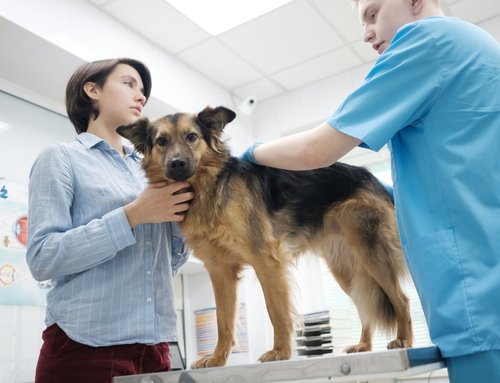
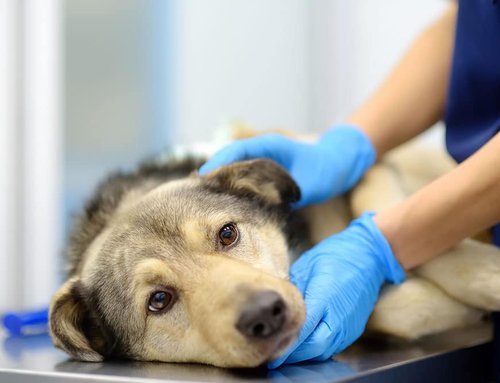
Hearing that your dog may need a liver biopsy can be scary. You may be wondering why a biopsy is necessary, what the procedure involves, and whether there is a less invasive way to get the answers your veterinarian needs.
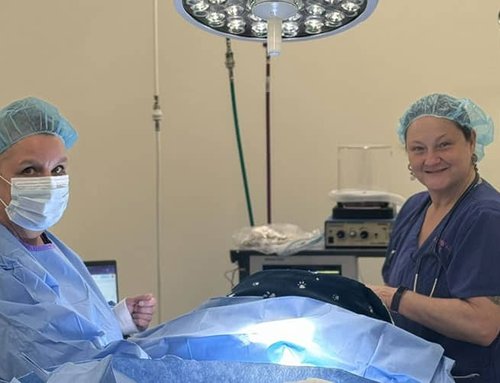
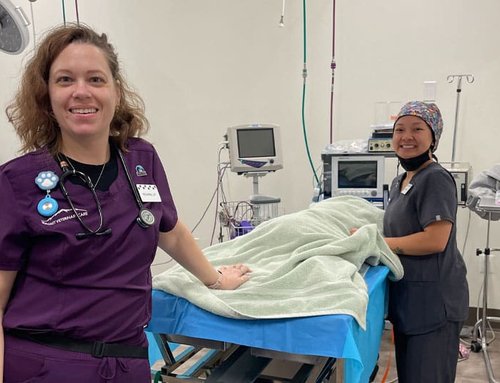
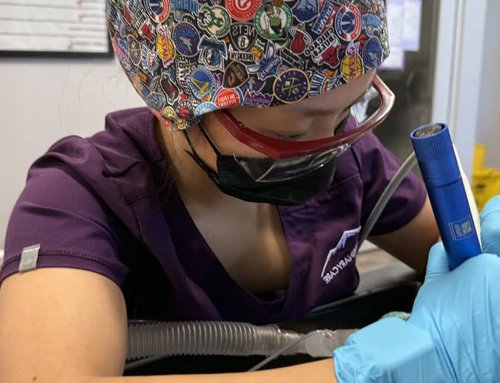
At Summit Veterinary Care, we offer laparoscopic liver biopsy for appropriate patients. This minimally invasive approach allows our veterinary team to collect a small sample of liver tissue through small incisions in the abdomen.
That tissue is then sent off to a reference laboratory to be examined by a veterinary pathologist to help determine what’s happening with your dog’s liver.
Why Would My Dog Need a Liver Biopsy?
Bloodwork and imaging can give your veterinarian important information about your dog’s liver, but sometimes they don’t tell the whole story.
If your dog has persistent or unexplained liver enzyme elevations, changes seen on imaging, or other concerns involving the liver, your veterinarian may recommend a biopsy.
A liver biopsy provides an actual sample of liver tissue that can be examined under a microscope. Depending on the findings, it may help your veterinary team better understand the cause of the liver changes and determine appropriate treatment or monitoring.
How Does a Laparoscopic Liver Biopsy Work?
During a laparoscopic liver biopsy, a small camera is inserted through a tiny abdominal incision. The camera gives the veterinary team a magnified view of the organs inside the abdomen.
Additional small incisions allow specialized instruments to be used to collect small samples of liver tissue.
The samples are then submitted to a veterinary pathology laboratory for evaluation.
Because the procedure is performed through small incisions rather than a traditional open abdominal approach, laparoscopic biopsy is considered a minimally invasive surgical procedure.
Why Use Laparoscopy for a Liver Biopsy?
One of the advantages of laparoscopic surgery is the ability to see the abdominal organs directly using a magnified camera.
The minimally invasive approach also uses smaller incisions than traditional open surgery, which can mean less disruption to surrounding tissues and a potentially more comfortable recovery.
As with any surgical procedure, there are risks, and laparoscopic surgery isn’t appropriate for every patient. Your veterinarian will consider your dog’s overall health and individual circumstances before recommending the procedure.
What Happens After the Biopsy?
After the procedure, your dog will be monitored as they recover from anesthesia. Because every patient is different, we’ll provide you with specific instructions for activity, medications, incision care, and follow-up.
The liver tissue collected during the biopsy is sent to a veterinary pathologist. Once the results are available, your veterinarian can discuss what they mean and what the next steps may be.
We know waiting for biopsy results can be stressful. Our team is here to answer your questions and help you understand what comes next.
Laparoscopic Liver Biopsy at Summit Veterinary Care
At Summit, we believe advanced veterinary medicine should come with compassionate communication.
If your dog needs a liver biopsy, we’ll explain why we’re recommending it, what the procedure involves, and what you can expect before and after surgery. We want you to feel informed—not overwhelmed—when making decisions about your pet’s care.
Before any surgery, your dog will need an exam and consultation at Summit Veterinary Care so our team can determine whether laparoscopic surgery is an appropriate option.
We’re proud to offer laparoscopic liver biopsy as part of our growing surgical services and to bring minimally invasive veterinary care to our Northern Virginia community.
If your dog has been diagnosed with liver abnormalities or your veterinarian has recommended a liver biopsy, contact Summit Veterinary Care to schedule an exam and consultation at 571-248-1175.
Share This Story, Choose Your Platform!
About the Author: Summit Veterinary Care